Ultimate Guide to Window Tints You Need in 2026 for Style and Privacy
As we step into 2026, the aesthetic and functional appeal of window tints continues to evolve. Homeowners and vehicle owners alike are increasingly recognising the benefits that window films offer not only in terms of privacy but also in enhancing the overall style of their spaces. This guide will explore the latest trends, technologies, and types of window tints that are anticipated to dominate in 2026, ensuring you make informed choices for your home or vehicle.
Understanding Window Tints
Window tints are thin films that can be applied to glass surfaces to modify their appearance and functionality. They come in various shades and types, catering to different preferences and needs. The primary functions of window tints include reducing glare, blocking harmful UV rays, and providing privacy. As the demand for stylish yet practical solutions rises, innovations in window tint technology have led to a wider array of options for consumers.
Trends in Window Tints for 2026
In 2026, window tinting trends are anticipated to lean heavily towards sustainable and smart technologies. Eco-friendly films that reflect heat while allowing natural light to filter through are gaining popularity among environmentally conscious consumers. These films not only reduce energy consumption but also help in maintaining a comfortable indoor climate.
Moreover, smart window films that can adjust their tint according to the intensity of sunlight are expected to be a game changer. These films utilise electrochromic technology, allowing users to control the opacity with a simple switch or even through smartphone applications. This innovation offers unparalleled versatility and convenience, making it a sought-after feature in modern homes and vehicles.
People Also Look For:
- Lifetree Reflective One Way Window Film Privacy: Heat Control Mirror Window Tint Film Sun Blocker, UV Anti Glare Film Clear Day an...
- HIDBEA One Way Window Film Privacy, Heat Control Mirror Reflective Daytime UV Sun Block House Window Tint, Anti Glare Static Cling...
- Silver Reflective Window Film (Solar Control & Privacy Tint - One Way Mirror/Mirrored Glass) (76cm x 1 metre - 10 metre) (76cm x 4...
- vgoltd Frosted Window Film Self Adhesive Vinyl Privacy Film Opaque Stickers Vinyl Covering for Glass Windows Bathroom Home & Offic...
- Beautysaid Window Film Privacy One Way Clear, Mirror Heat Reflective Window Security Tint Film Home, Anti Glare UV Sun Blocker Gla...
Types of Window Tints
When considering window tints, it is essential to understand the various types available. In 2026, the following types are expected to remain at the forefront:
Dyed Window Tint
Dyed window film is one of the most common types of tints. It consists of a layer of dye between an adhesive layer and a protective outer layer. This type is particularly favoured for its aesthetic appeal, providing a sleek look while offering decent heat rejection and glare reduction. However, it may not provide the highest level of privacy compared to other options.
Metallic Window Tint
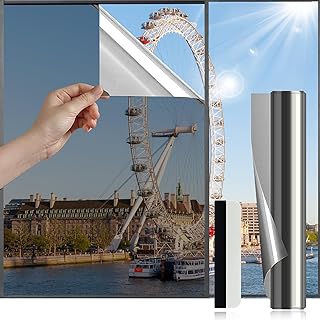
Metallic window films are infused with metallic particles that reflect heat and light. This type of tint is known for its durability and effectiveness in blocking UV rays. Due to its reflective nature, metallic films can offer increased privacy during the day, making them an excellent choice for both residential and automotive applications. However, it is worth noting that they can interfere with GPS and mobile signals.
Ceramic Window Tint
Ceramic window films are a premium option that provides superior performance without compromising visibility. Made from non-metallic and non-conductive ceramic particles, these films offer excellent heat rejection and UV protection. They are also less likely to fade over time, ensuring long-lasting durability. The wide range of shades available allows for aesthetic flexibility, making them a popular choice for those seeking both style and functionality.
Privacy Window Tint
For those prioritising privacy, specially designed privacy window films are available. These films come in various levels of opacity, allowing homeowners to maintain their desired level of seclusion without sacrificing natural light. In urban settings, where homes are often in close proximity to each other, privacy tints are increasingly being favoured.
Benefits of Window Tints
Investing in window tints in 2026 offers numerous benefits beyond aesthetics. One of the most significant advantages is the enhanced energy efficiency they provide. By reducing heat gain during the summer and retaining warmth during the winter, window tints can contribute to lower energy bills.
Additionally, the protective nature of window films shields interiors from harmful UV rays, which can cause fading and damage to furniture, flooring, and artwork. This added layer of protection is particularly beneficial for homeowners looking to preserve their investments.
Furthermore, window tints can improve safety by holding shattered glass together in the event of an accident or break-in. This added security measure is critical for many, especially in high-risk areas. As we continue to explore the world of window tints, it becomes evident that choosing the right film can significantly enhance both style and privacy.